How Amazon Sellers Can Build an Email List
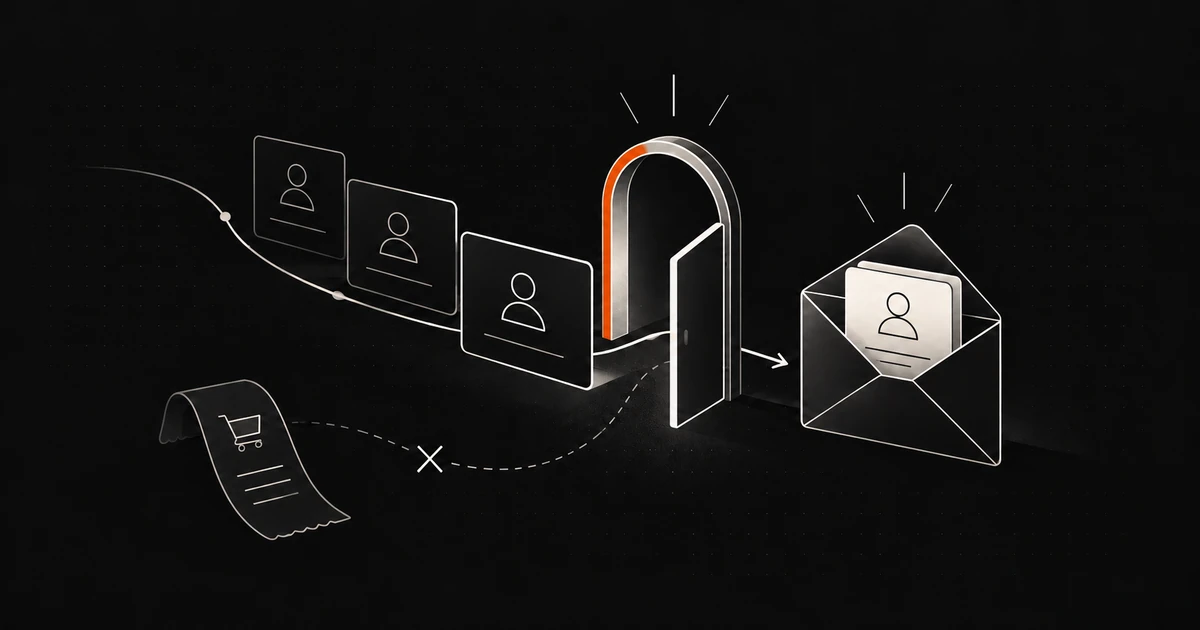
An email list can give an Amazon seller a way to stay in touch with people who have independently chosen to hear from the brand. That can be useful when launching a product, sharing practical advice, or learning what customers might want next.
Buying from you on Amazon does not give you permission to add the buyer to that list. Build the audience through your own off-Amazon marketing and a clear signup process. The distinction matters from the very first step.
Why should Amazon sellers build their own email list of buyers?
There are several reasons to try it:
Introduce a new product to people interested in the same niche.
Choose when to share useful content and offers, within the subscriber’s permissions.
Ask for ideas about future products.
Develop a direct relationship alongside your marketplace business.
You can point a properly subscribed audience toward your own shop or an appropriate Amazon product page or Store. You control the campaign and the destination; you cannot control whether someone opens, clicks, or buys. A large list is not a promise of a successful launch.
Think of the list as a relationship you maintain, rather than people or addresses you own. Subscribers can leave. Their information still carries privacy obligations, even if you collected it on your own website.
How do I build my own lists?
Theory first
A funnel is simply the path you plan for a potential customer. For this exercise, use:
Traffic source → Useful offer → Landing page → Email signup → Follow-up.
The offer earns attention, the landing page explains it, and the signup records what the person wants to receive. Some visitors will stop along the way. Start with a small test so you can see where that happens before spending more.
Traffic source
Where do people interested in your product already spend time? A relevant blog, YouTube channel, Instagram account, Facebook group, or specialist forum may be worth exploring. Paid advertising is another option. Follow each community’s rules before posting or approaching its members.
Working with another person’s audience means arranging a relevant placement or collaboration. It does not mean obtaining their subscriber database and importing it into yours. Invite interested people to visit your landing page and make their own choice.
For endorsements reaching US consumers, paid relationships and free products can require disclosure. The FTC’s influencer disclosure guidance explains how to make the relationship clear alongside the endorsement.
Good to know: keep the Amazon boundary clear
The US Communication program policy requires Amazon buyer communications to stay in Buyer Seller Messaging. It prohibits promotional messages, coupons, and invitations to communicate elsewhere. An Amazon order is not an invitation to send your newsletter.
The seller code of conduct also restricts customer information received for fulfillment and prohibits diverting Amazon customers to outside websites. Do not harvest order details, enrich buyer identities, or use order messages to collect marketing subscriptions.
Keep email signup forms on your independently promoted landing page. Amazon’s product detail page rules exclude email addresses and website URLs from listing titles, descriptions, bullet points, and images. Keep an Amazon Store as the Amazon shopping destination for your campaign; do not use it to direct shoppers to an external newsletter signup.
A package insert or QR code is not a shortcut around these rules. Do not use one to divert Amazon buyers to a mailing list or tie a benefit to a review. Amazon’s official guidance on product inserts and QR codes explains that the communication and review restrictions still apply. Check the current policies for every Amazon store where you sell.
Example: a vacuum cleaner filter
Suppose you sell replacement vacuum cleaner filters. Look for content about maintaining the compatible vacuum model, rather than a broad audience interested in household bargains.
Searching for the model name plus “blog,” or for a comparison of that type of vacuum, can help you identify possible collaborators. Read their work first. A useful maintenance guide is a better reason for someone to join your list than a vague promise of more emails.
Lead magnet: give people a useful reason to subscribe
A lead magnet is the thing you offer at signup. It might be a short guide, a how-to video, a checklist, or a discount whose terms you can explain clearly. Choose something closely related to the product and audience.
For a starter bundle, the useful download could show how the pieces work together. For a replacement filter, it could explain compatibility and maintenance. These are examples to test, not proven offers for every business.
Keep discounts separate from Amazon reviews. Never offer a gift, discount, refund, or other benefit in exchange for a review or a particular rating. Do not run external rebate or search-and-buy schemes to manipulate Amazon sales rank.
Example: cooking utensils
If you sell cooking utensils, try a small recipe collection or a guide to looking after the tools. It gives the subscriber a taste of what your later emails will contain. A general gift-card prize may attract people interested mainly in the prize, so do not use the number of entries as evidence of product demand.
Landing page
You do not need a full online shop to start. A hosted landing-page builder, such as Mailchimp’s landing-page tool, can provide a page and signup form. Check its current plan, contact, and sending limits before choosing it; the page builder and your whole email operation are different costs.
Keep the page uncluttered. Explain who you are, what the visitor receives, and what emails will follow. Make the offer easy to understand without pressuring people to surrender their address. There should be a clear way to read your privacy information.
After submission, show a confirmation or thank-you message. Test the form yourself, including any confirmation email, download link, and unsubscribe process. A nice looking page is only half the job.
Email capture and follow-up
Build this sequence for people who independently signed up through your off-Amazon campaign. Do not apply it to Amazon order contacts or send it through Buyer Seller Messaging.
For this workflow, ask clearly for marketing permission, identify the sender, record the signup source and permission, and make unsubscribing easy. Receiving a download or entering a competition does not by itself establish permission for every later marketing message.
The legal details depend on the audience and country. In the UK, the ICO’s PECR guidance says unsolicited email marketing to individual subscribers normally needs consent unless a relevant soft opt-in applies. Consent must be specific and affirmative; a pre-ticked box is insufficient.
For US commercial email, follow the FTC’s CAN-SPAM guidance, including accurate sender and subject information, advertising identification, a valid postal address, and a working opt-out process. Honor opt-outs within 10 business days. These US and UK examples are not a complete checklist for every country.
Here is a sequence to adapt to what you promised at signup:
Thank you → Your useful content → Another useful resource → Product offer → A question.
Thank-you email
Deliver the promised resource and explain what comes next. Keep the welcome short. If your signup requires confirmation, complete that process before starting the marketing sequence.
Content email
Share something the reader can use. If you sell a sneaker-care kit, explain one practical way to look after the relevant material, consistent with the product’s instructions. Link to the longer guide if it helps.
A few days after the welcome may be a reasonable starting test. The interval is a planning choice, not a rule, and should match the frequency the person expected.
Other people’s content
A useful independent article or video can fit here too. Link to the original creator and explain why it is relevant. Do not copy their work or imply they endorse your product. Check the destination before sending, it may have changed since you saved it.
Sales email
Introduce the product with a clear description and an accurate offer. A discount is optional; work out whether the sale would still make commercial sense after the promotion and selling costs. Make the purchase link and any conditions easy to find.
If the destination is Amazon, eligible advertisers can use Amazon Attribution to measure shopping activity associated with external email campaigns. Check account and marketplace eligibility and create the appropriate tagged links. A custom promotion code alone does not prove every redemption came from your email, or that the email caused an extra sale.
Soft offer: ask a useful question
Ask subscribers what would make the product more useful. Would a different color help? Is another size missing? Replies can give you ideas to investigate. They are not a representative demand forecast, so compare them with actual purchases and returns before committing to stock.
Pause or revise the sequence when the results disappoint. Track signups, clicks, unsubscribes, campaign costs, and purchases you can reasonably attribute. A small engaged list may be more useful to your business than a large file of people who did not want the emails.
Over to you
Choose one audience, one useful offer, and one landing page. Set a modest test budget, make the permission clear, and write the first few emails before you invite subscribers. Then follow what people actually do.
For a broader product experiment, our guide to testing a new product before stocking it connects audience research with supplier checks and the cost of completed orders.
Adapted from an article originally published on Bindwise; reviewed and updated for Hopted by Alex Borisenko-Markovich and the Hopted editorial team.