13 Websites to Source Amazon Products Outside China
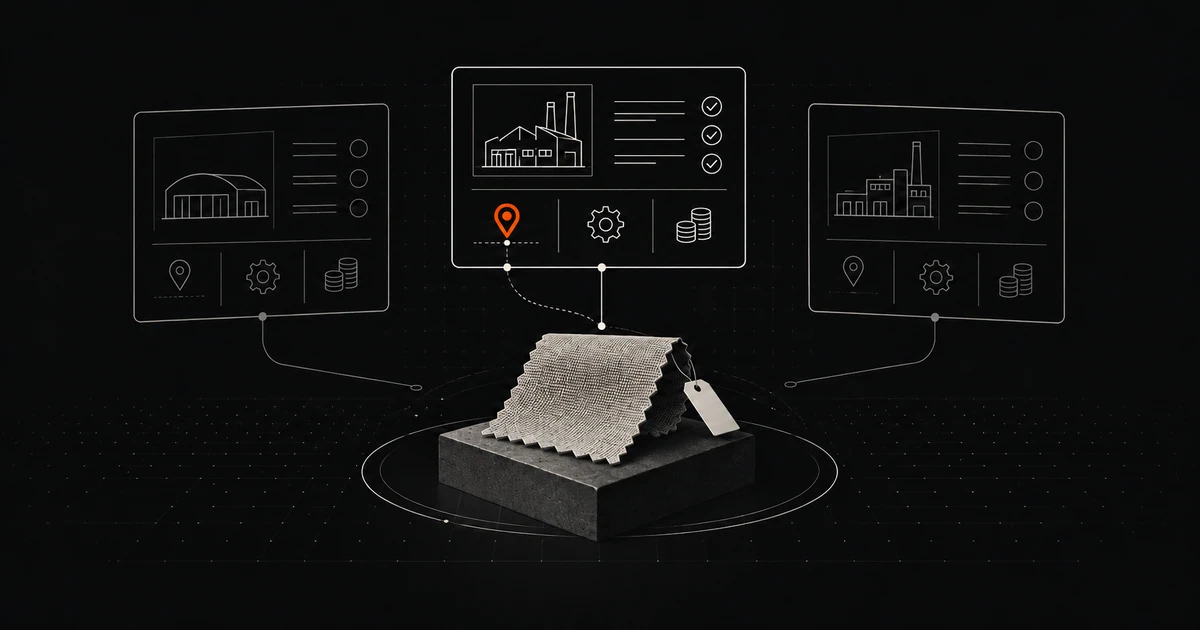
If you’re already familiar with Chinese wholesale websites, it is sensible to investigate other places to source your next product. The aim is to find a supplier that fits your business, with a workable cost and a dependable product. Moving the order to a different country does not establish any of those things by itself.
A second source can give you options when production, freight, or costs change. It can also create more work. Use this guide to build a shortlist, then compare actual suppliers and quotes before moving inventory or paying a deposit.
Countries to source from
Let’s examine the countries first. India, Taiwan, Indonesia, Vietnam, Mexico, Japan, South Korea, and the United States are places you can investigate. Treat them as a starting list, rather than a ranking of which country makes the cheapest or best goods.
India: Start with product searches on TradeIndia or JimTrade. Apparel, home products, packaging, and industrial goods have different requirements; narrow the search to the material and manufacturing process you actually need.
Taiwan: Taiwantrade is a useful starting point for supplier discovery. Compare a supplier’s actual capabilities, samples, and quotation instead of assuming a fixed saving against a Chinese quote.
Indonesia and Vietnam: Investigate whether a supplier can produce your design consistently and document its origin. A distinctive-looking item is not evidence that there is little competition for it on Amazon.
Mexico: For a US destination, ask for a quote covering the proposed road, sea, or air route. Include production, border clearance, onward delivery, and receiving in the timeline. Do not budget from a promise that the product will be selling within a week or two.
Japan and South Korea: Compare the exact product specification and order terms. A country label is a poor substitute for a quality standard, and it does not establish that customers will pay a premium.
United States: Search for manufacturers as well as local distributors. Buying from a US business does not mean the product was made there. The FTC’s Made in USA guidance requires an unqualified claim to be supported by evidence that the product is all or virtually all made in the US.
Keep three separate fields in your notes: supplier business location, factory location, and product country of origin. Ask who makes the item and where the relevant production happens. A warehouse address or a “ships from” label answers a different question.
Limitations to check before choosing a supplier
Before rushing off to find suppliers, step back and evaluate the job. The same checks apply whether the supplier is in China or elsewhere. National stereotypes about packaging, honesty, or workmanship are not a useful way to choose a factory.
Communication. Put materials, dimensions, tolerances, packaging, quantities, and acceptance criteria in writing. If technical language is getting lost, arrange competent translation and confirm the specification with the people doing the work.
Quality and provenance. Request representative samples, agree an inspection plan, and verify the business behind the quotation. Amazon’s supplier due diligence guidance covers business checks, brand affiliation, invoices, operational controls, and quality requirements. A directory badge is a lead for investigation, not a substitute for it.
Transit and landed cost. Obtain a current freight quote for the actual route, shipment size, and delivery terms. Separate production time, transport, customs, and warehouse receiving. Include inspection, packaging, freight, import charges, and handling in the comparison; a low unit price can leave an expensive shipment.
Independent verification. Agree who will inspect the goods, what will be checked, and what happens when a batch fails. Review references and relevant documents. An inspection provider’s reputation does not make every factory or shipment reliable.
For US imports, CBP’s tips for importers explain the need to identify origin, composition, intended use, classification, and applicable requirements. The importer of record remains responsible for the entry and duties even when using a broker. Check the actual product and current rules with a qualified adviser; do not assume a supplier’s country or shipping route settles the tariff.
For branded resale goods, verify provenance and any required authorization before ordering. Amazon’s Anti-Counterfeiting policy requires authentic products and allows Amazon to request records supporting authenticity or authorization to sell. An invoice from a wholesaler is not a blanket approval for every product or category.
13 websites for discovering supplier leads
Now, where to find the leads? These sites serve different purposes. Some are supplier directories, others sell wholesale stock, and one is a sourcing service. They are places to investigate, not a list of factories we have vetted or a promise that their goods were made outside China.
TradeIndia — An India-focused B2B marketplace with product and supplier listings. Check each business and product’s manufacturing origin; the platform also contains international suppliers.
JimTrade — An Indian business and product directory with industrial and consumer categories. Establish whether the contact is a manufacturer, distributor, or other intermediary.
Taiwantrade — A supplier and product discovery platform operated by the Taiwan External Trade Development Council (TAITRA). Use it to find potential contacts, then verify the specific production arrangement.
Global Sources — Product searches, supplier discovery, and exhibitions, with regional sourcing pages including India, South Korea, and Vietnam. It also includes Chinese suppliers; inspect the individual profile and product.
EC21 — A global B2B marketplace headquartered in South Korea. Its supplier base is international, so “Korean website” does not mean “Korean-made product.”
Ethical Sourcing Network — A sourcing and product-development service with an on-the-ground team in India. This is a service relationship to evaluate, rather than an open supplier directory; agree scope, fees, and evidence for any quality or sustainability claims.
zentrada — A European wholesale purchasing platform for consumer goods and brands. Confirm product origin and whether the supplier’s terms allow your intended Amazon resale.
Kole Imports — Wholesale general merchandise and closeouts. This can be a stock-sourcing lead; do not treat an importer’s catalog as a directory of US factories.
DollarDays — A bulk and wholesale goods supplier serving nonprofits, businesses, and other organizations. Check the individual item’s origin, supply continuity, and documentation for your intended use.
All Time Trading — Wholesale apparel, socks, and general merchandise. Evaluate the particular product and purchasing terms; a wholesale listing does not establish a private-label manufacturing arrangement.
MX Wholesale — A UK wholesale supplier with a broad consumer-goods catalog. Confirm export availability, product documentation, and the full delivered cost before comparing it with a factory quote.
The Wholesaler UK — A UK directory covering manufacturers, importers, distributors, and other trade suppliers. The location of the listed business does not establish where its stock was manufactured.
Thomasnet — North American supplier discovery focused on industrial products and capabilities. Check whether a prospective supplier can support your consumer product, order size, packaging, and compliance requirements.
Consider trade fairs too
Trade fairs can help you meet several prospects and examine samples in one trip. 10times is an event-discovery starting point; verify the event, dates, venue, admission rules, and exhibitor list with its organizer before booking.
For example, ASD Market Week is a wholesale retail merchandise show with a vendor directory. Select a fair for relevant exhibitors and a workable visit plan, rather than its supposed place in a “world’s largest” ranking. Attending a less familiar show does not guarantee less Amazon competition. Its still the product and supplier that need to stand up to the checks.
Final sourcing considerations
Will sourcing elsewhere give you more value? That is down to your research. Compare like-for-like specifications and the full landed cost, not just the country beside a supplier’s name.
Keep a shortlist with sample results, minimum order quantities, payment terms, production and replenishment lead times, origin evidence, inspection arrangements, and a dated cost estimate. Record who checked each item. An attractive quotation is much easier to assess when the missing details are visible.
Start with a manageable order where the economics permit, and review the delivered batch before increasing the commitment. Keep your existing supply option available until the alternative has earned your confidence. No country change guarantees better margins or a successful Amazon product.
Once you have a workable supplier, connect the purchasing assumptions to your stock plan. Hopted’s Amazon inventory workflow brings supported Amazon data into Google Sheets so your team can review stock and sales alongside its own supplier costs and lead times. Your team still verifies suppliers and decides what to order.
Adapted from an article originally published on Bindwise by Joshua Smith; reviewed and updated for Hopted by the Hopted editorial team.