The Ultimate Guide to Dealing With Amazon Listing Hijacking
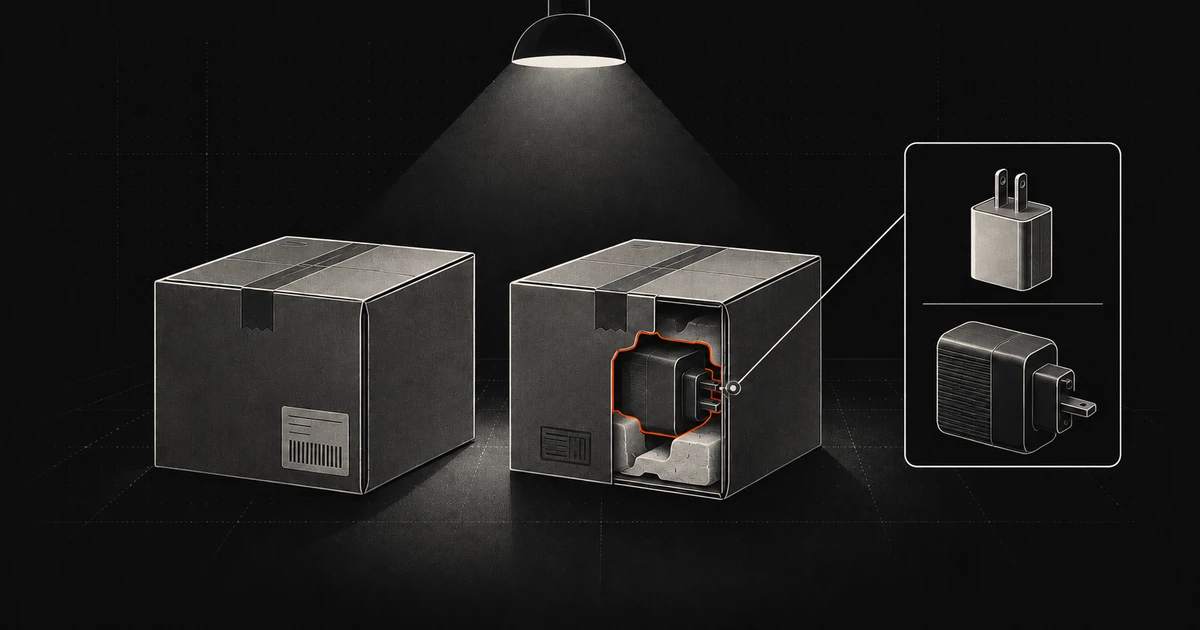
Finding another seller on your product page can be alarming. Before you try to remove them, work out what they are actually selling. A genuine competing offer, a counterfeit item, and an incorrect product page need different responses.
This guide follows the practical work: identify the problem, collect evidence, report it through the right channel, then improve your protection for next time. The reporting examples use Amazon’s US store; intellectual property rights and program availability vary by country.
What is Amazon listing hijacking?
In this guide, “listing hijacking” describes someone offering a counterfeit or a different product on an existing ASIN. The important part is the mismatch or infringement, not simply the presence of another seller.
Amazon product detail pages can contain offers from several sellers for the same product. Amazon’s rights-owner policy says other sellers can offer identical products on a page you contributed to. In the US, Amazon does not enforce an exclusive distribution agreement or a minimum advertised price agreement as an intellectual property complaint.
Start with three questions: Is the item genuine? Does it match the product page? Is there an identifiable violation of your rights? A low price or an unfamiliar store name is a reason to investigate, not proof of counterfeiting. For the distinction between an offer and the shared page, see why listing changes do not always change the product page.
How to report Amazon listing hijacking
Choose the reporting route that fits your role and evidence. Amazon’s current reporting guide directs enrolled brands to Report a Violation and rights owners without an enrolled brand to the Report Infringement form. Follow the current form’s instructions and use the appropriate rights-owner or authorized-agent access.
Do not assume every report needs a trademark: copyright, trademark, and patent complaints concern different rights. For a registered trademark or patent complaint, check that the registration covers the country where you request removal, rather than the country where the other seller happens to be based.
If only a particular seller’s offer is infringing, identify that offer. Reporting your entire ASIN can affect your own product page. Keep your report specific: which right, which seller, which product, and what evidence supports the claim.
The consequences of being hijacked on Amazon
Negative reviews
A customer who receives an inferior item may judge the product by that experience. Product reviews appear on the shared product page, so complaints deserve investigation. They do not establish which seller supplied an item on their own. Read the detail, compare the product described, and separate a suspected counterfeit from a genuine quality problem.
Losing the Featured Offer
The Featured Offer, often called the Buy Box, provides prominent purchase options. The cheapest item does not automatically win it. Amazon considers price, delivery, customer service, and stock availability. Losing it can happen with legitimate competition too. Review Amazon’s Featured Offer guidance before treating a change as evidence of an attack.
Pressure on profits
Diverted orders and time spent investigating can put pressure on your margins. Avoid reacting with a price cut before you understand the offer. Compare your sales, stock, pricing, and advertising over the same period; keep the suspected infringement investigation separate from normal commercial decisions.
A drop in metrics needs a diagnosis
Lower sales or a change in reviews is a starting point, not a counterfeit detector. Do not assume that another seller’s activity automatically damages your Account Health or pushes your page out of search. Check the actual notices and the evidence available in your account.
How to reduce the risk
Monitor your listings
Make reviewing your important ASINs part of your routine. Check the other offers, the brand name, images, title, and product specifications. Keep a dated copy of an unexpected change before requesting a correction.
A monitoring tool can be useful if it covers the changes you need, but an alert still needs investigation. No alert establishes that an item is counterfeit. For a small catalog a regular manual pass may be enough, its worth starting with the products that would hurt most to lose.
Make your branding clear
Keep the branding on your actual product, packaging, and listing consistent. Photograph the real identifying details so you have something concrete to compare with a suspect purchase. Clear records are more useful than a general statement that your item “looks different.”
Join Amazon Brand Registry
Brand Registry enrollment requires an active registered trademark or an eligible pending trademark application from an approved intellectual property office. The brand name must match the trademark record, and Amazon requires images showing the brand permanently affixed to the product or packaging. The trademark owner submits the enrollment.
Brand Registry provides protection tools; enrollment does not give you exclusive ownership of an ASIN or make every competing offer removable. Keep reviewing genuine issues even after enrollment.
Plan your trademark protection
Do not wait for an urgent complaint to find out which rights you own and where they apply. The USPTO’s trademark overview explains the US distinction between rights established by use and the broader protection of federal registration. For your own markets and products, get advice on the protection you need.
Consider bundles for the customer
A camera and tripod is still an easy example of products a customer might want together. But do not build a bundle merely to make other sellers disappear. Check the current product bundling policy for your category and store before creating one. A bundle is a product decision, not an authentication system.
Keep an independent home for your brand
Your own website can be a useful place to explain your products, packaging, and support. Consider it part of a broader business plan. It does not remove an Amazon offer or replace an infringement report, and it brings its own work to manage.
Steps for recovering from a confirmed problem
Purchase the product when a test buy will help
Amazon’s rights-owner policy identifies a test buy with a valid order ID as useful evidence for a seller-level complaint. Its Project Zero guidance also recommends a test buy to confirm a suspected counterfeit.
Choose the exact seller you are investigating and save the offer details. When the item arrives, record the order ID, seller, ASIN, packaging, labels, and the differences from a genuine unit. Photograph them side by side. Keep the item and packaging while the case is open; small details are easy to forget a week later.
A test buy is evidence gathering. Do not review a competitor’s product or use feedback to damage another seller. Follow Amazon’s seller code of conduct and keep the purchase and complaint factual.
Consider legal advice before a cease and desist
If the issue is repeated or substantial, ask a qualified lawyer whether a cease and desist is appropriate. Do not send a threatening template merely because someone joined your ASIN. First establish the infringement and the recipient. A letter is not a substitute for Amazon’s process and cannot guarantee removal.
Report the specific counterfeit offer
Organize the case before submitting it:
Identify the ASIN, product page, marketplace, and specific seller.
Identify your relevant right and the alleged infringement.
Attach the order ID and clear evidence from a test buy where available.
Explain the differences precisely instead of relying on the word “hijacker.”
Keep the complaint reference and respond to requests for more information.
Amazon can accept or reject a report. Review its response and correct missing evidence rather than assuming a takedown is guaranteed. If the goods do not match the detail page but you are not the rights owner, use the appropriate store-policy reporting route instead of claiming rights you do not hold.
Tips for protecting yourself against future attacks
Sell distinctive products
A distinctive design and consistent packaging give you useful comparison points. Keep approved samples, supplier records, and photographs when you change a product. Treat uniqueness as a business advantage, not a promise that counterfeiters cannot copy it.
Review your current listings
Check that photos, measurements, included accessories, and descriptions accurately describe the item customers receive. A vague page makes a comparison harder. These checks are a bit tedious, yes but they give you something solid to work with. Correct inaccuracies through the appropriate listing process; Amazon’s product detail page rules prohibit repurposing an existing ASIN for a different product.
Consider Transparency rather than ordinary UPCs
Ordinary product identifiers are not the protection described here. Amazon Transparency is a separate serialization program using unique unit codes. It supports both Amazon-fulfilled and seller-fulfilled orders. Protection starts after the enrolled product passes its operational performance review, with valid codes required for protected units in supported stores.
Check brand and product eligibility, supported countries, labeling work, and current per-unit charges before enrolling. Do not assume buying a barcode alone activates protection.
Check Project Zero eligibility
Project Zero offers eligible brands a self-service counterfeit removal tool. Access is not automatic with Brand Registry: Amazon assesses reporting history and other criteria. The tool is for counterfeits only, and country-based access requires an active registered trademark associated with the brand. Check eligibility in your Brand Registry account.
Common misconceptions about Amazon listing hijacking
Only popular products need attention
Do not use popularity as your only screening rule. Decide how often to review each product by its importance to your business, your distribution, and the issues you have actually seen.
Branding makes you immune
Good branding, records, and protection tools are reasons to be better prepared, not reasons to stop checking. Keep a simple escalation plan so the person who spots a problem knows who will investigate it.
Manual monitoring is impossible
You can review a small catalog manually. As the catalog grows, decide whether the work justifies a tool or another person. Choose based on coverage and workload, not a promise that you can stop worrying entirely.
Other reasons customers may be unhappy
A drop in quality
Before blaming another seller, check your own recent batches and supplier changes. Compare samples with the product page and the complaints. Amazon recommends treating negative reviews as a feedback loop for improving products and descriptions. It is less dramatic than finding a counterfeit, but still needs fixing.
Longer shipping times
Check the actual delivery experience separately from product quality. Review handling, carrier, and fulfillment issues in your own orders. A fulfillment change should follow that investigation; changing to FBA is not a counterfeit remedy.
Make the next investigation easier
Keep a straightforward case file: dated offer details, an order ID when you have one, comparison photos, the relevant rights, and Amazon’s replies. Look for the actual violation before making an accusation. That gives you a clearer report and a practical way to decide what to do next.
Adapted from an article originally published on Bindwise by Annika Helendi; reviewed and updated for Hopted by the Hopted editorial team.